One of the most frequently asked questions we get from homeowners in Petaling Jaya is: “Can I clean my aircond filter myself, or do I need to call a technician?” The short answer is yes, you absolutely can and should clean your filters yourself. It is one of the simplest home maintenance tasks you can do, and it makes a real difference in your aircond’s performance and your electricity bill.
However, there is an important distinction between cleaning the filter (which is DIY-friendly) and servicing the entire aircond system (which requires professional tools and expertise). This article walks you through both, so you know exactly what you can handle at home and when it is time to call in a professional.
Part 1: DIY Filter Cleaning (Yes, You Can Do This)
What You Need
- Running water (kitchen sink or bathroom)
- Mild dish soap (optional, for very dirty filters)
- A soft brush or old toothbrush (optional)
- A clean cloth or towel
- 10 minutes of your time
Step-by-Step Guide
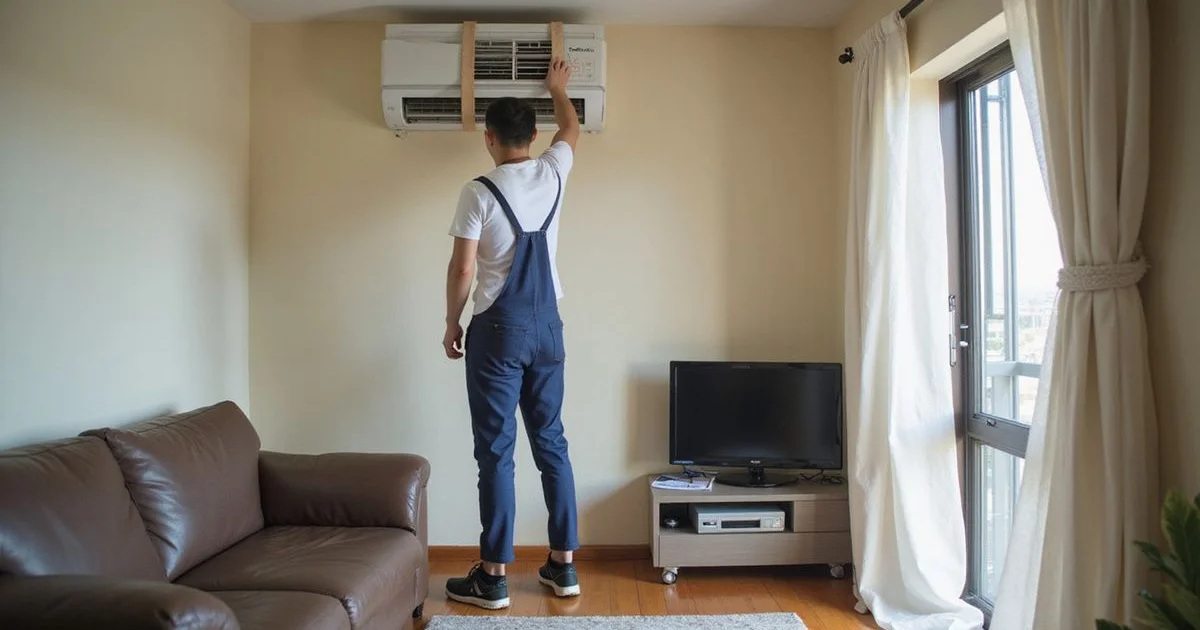
Step 1: Turn off the aircond. Switch off the unit from the remote control and wait 30 seconds for the fan to stop. For extra safety, you can turn off the circuit breaker that powers the unit, though this is not strictly necessary for filter cleaning.
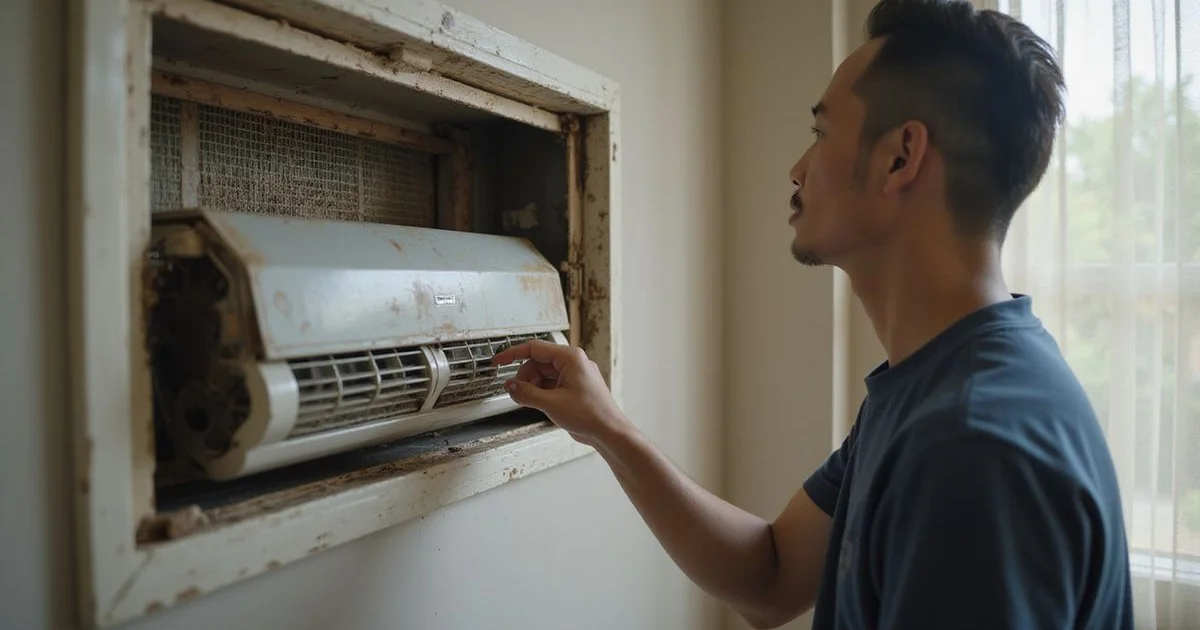
Step 2: Open the front panel. Most wall-mounted aircond units in Malaysia have a front panel that lifts up on hinges. Gently push the panel upward until it clicks into the open position. You should now see one or two mesh filters sitting in front of the evaporator coil.
Step 3: Remove the filters. The filters slide out easily. There are usually small clips or tabs holding them in place. Gently release these and slide the filters downward and out. Handle them carefully to avoid bending the frame.
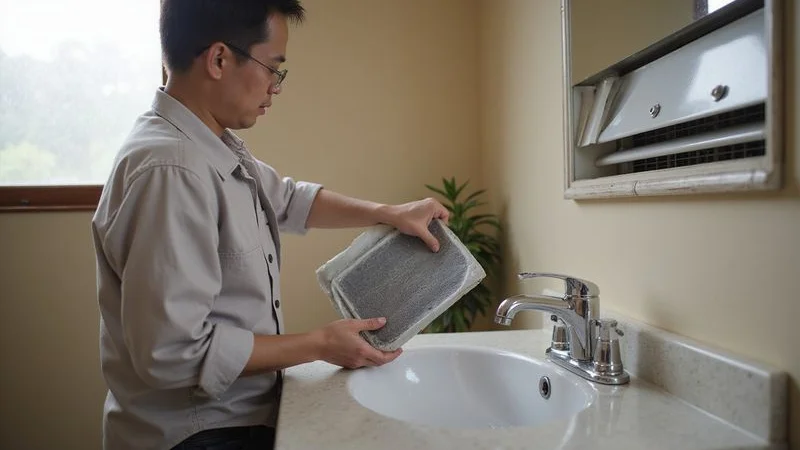
Step 4: Rinse under running water. Hold the filter under a gentle stream of water and let the water flow from the back side (the side that faces the coil) to the front. This pushes the dust out in the direction it came from, rather than driving it deeper into the mesh. For light dust, water alone is sufficient.
Step 5: For stubborn dirt, use mild soap. If the filter has greasy residue (common in kitchens) or has not been cleaned in months, add a small amount of dish soap and gently scrub with a soft brush. Avoid harsh chemicals, bleach, or abrasive scrubbing pads, as these can damage the filter mesh.
Step 6: Shake off excess water and let it dry. Give the filter a gentle shake to remove excess water, then stand it upright or lay it flat on a towel. Allow it to dry completely before reinstalling. Reinstalling a wet filter can promote mould growth on the evaporator coil.
Step 7: Reinstall and close the panel. Slide the dry filters back into their slots, ensuring they sit flat and are properly secured. Close the front panel until it clicks.
How often: We recommend cleaning your filters every two weeks for airconds that run daily. If you have pets, live near a construction site, or your home is particularly dusty, weekly cleaning may be needed.
Part 2: What DIY Cleaning Does NOT Cover
Cleaning the filter is important, but it only addresses about 20 percent of your aircond’s maintenance needs. Here is what remains dirty even after you clean the filters:
The Evaporator Coil
The evaporator coil sits directly behind the filters. Despite the filters catching most of the dust, fine particles pass through and accumulate on the coil fins over time. After 3 to 6 months, a visible layer of dust and biofilm (a slimy mixture of bacteria and moisture) coats the coil. This layer insulates the coil and reduces its ability to absorb heat, forcing your aircond to work harder.
Can you clean it yourself? Technically, you can see the coil through the front panel and attempt to clean it with a spray can of coil cleaner from a hardware store. However, this surface-level cleaning only reaches the front row of fins. The coil is multiple rows deep, and the real dirt accumulation is inside where you cannot reach without partially disassembling the unit. A professional chemical wash uses high-pressure spray and alkaline cleaning solution to flush out the entire coil depth.
The Blower Fan (Turbine Fan)
The cylindrical fan that blows air across the coil and into your room also collects dust and grime. When the fan blades are coated with dirt, airflow decreases and the fan becomes unbalanced, potentially causing vibrations and noise. You cannot access the blower fan without removing the indoor unit’s casing, which requires tools and experience.
The Drain Pan and Condensate Line
The drain pan sits below the evaporator coil and collects condensation water, which flows through a drain line to the outside. Over time, algae, mould, and slime accumulate in the pan and line, causing blockages. A blocked drain line results in water overflowing from the indoor unit — one of the most common aircond problems in Malaysian homes.
Can you clean it yourself? You can pour a cup of vinegar or bleach solution into the drain pan opening (if accessible) to help prevent buildup. But clearing an existing blockage usually requires a technician to flush the line with pressure or use a flexible brush.
The Outdoor Unit (Condenser)
The outdoor unit’s condenser coil gets dirty from exposure to rain, dust, insects, and general outdoor grime. A dirty condenser coil reduces the system’s ability to release heat, making the compressor work harder. Cleaning the outdoor unit requires a water hose or pressure washer and care to avoid bending the delicate fins.
Part 3: When to Call a Professional
Here is a clear guideline for when DIY is sufficient and when you should call a technician:
DIY Is Sufficient When:
- Your aircond is cooling normally and you just want to maintain it
- You are doing routine bi-weekly filter cleaning
- You want to wipe down the exterior of the indoor unit
- You are clearing visible debris from around the outdoor unit
Call a Professional When:
- Your aircond is not cooling as well as it used to (even with clean filters)
- It has been more than 6 months since the last professional service
- Water is leaking from the indoor unit
- You notice musty or unpleasant odours from the aircond
- The aircond is making unusual noises
- You see visible mould or black spots on the coil or vents
- Ice is forming on the coil or copper pipes
What a Professional Chemical Wash Includes:
A proper chemical wash from a qualified technician involves:
- Removing the front panel and filters
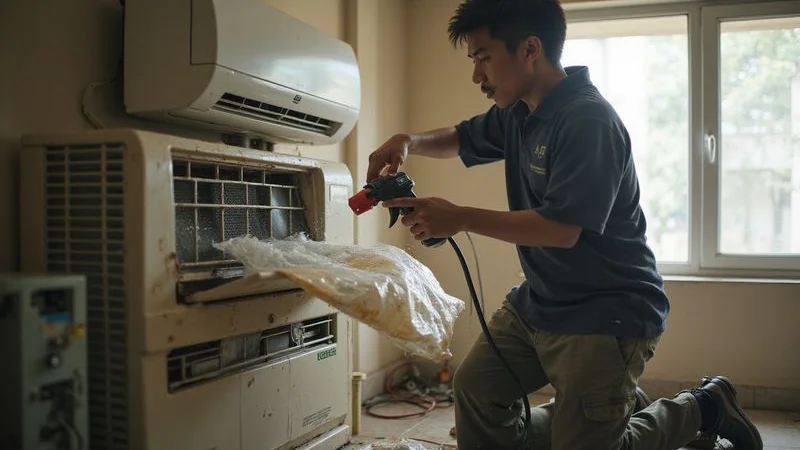
- Protecting the wall and surrounding area with plastic sheeting
- Applying alkaline chemical solution to the evaporator coil
- High-pressure water flushing of the coil from front and back
- Cleaning the blower fan and drain pan
- Flushing the condensate drain line
- Checking refrigerant pressure and topping up gas if needed
- Testing thermostat accuracy and cooling output
- Reassembling and running a final performance check
This process takes approximately 30 to 45 minutes per unit and addresses all the components that DIY cleaning cannot reach.
The Ideal Maintenance Routine
For the best results, combine DIY filter cleaning with periodic professional servicing:
Every 2 weeks: Clean the air filters yourself (5 to 10 minutes)
Every 6 months: Schedule a professional chemical wash (RM 80 to RM 120 per unit at PJ Kool Aircond Service, includes gas top-up)
Every 12 months: Have the outdoor unit cleaned and a full system inspection performed
This combination keeps your aircond running efficiently, extends its lifespan, and prevents the most common problems we see in homes across the Klang Valley. The filter cleaning costs you nothing but a few minutes of time, and the bi-annual chemical wash pays for itself through electricity savings and avoided repairs.
Common DIY Mistakes to Avoid
Using a vacuum cleaner on the coil fins. The aluminium fins on the evaporator coil are extremely delicate. A vacuum nozzle can easily bend or crush them, restricting airflow. Leave coil cleaning to professionals.
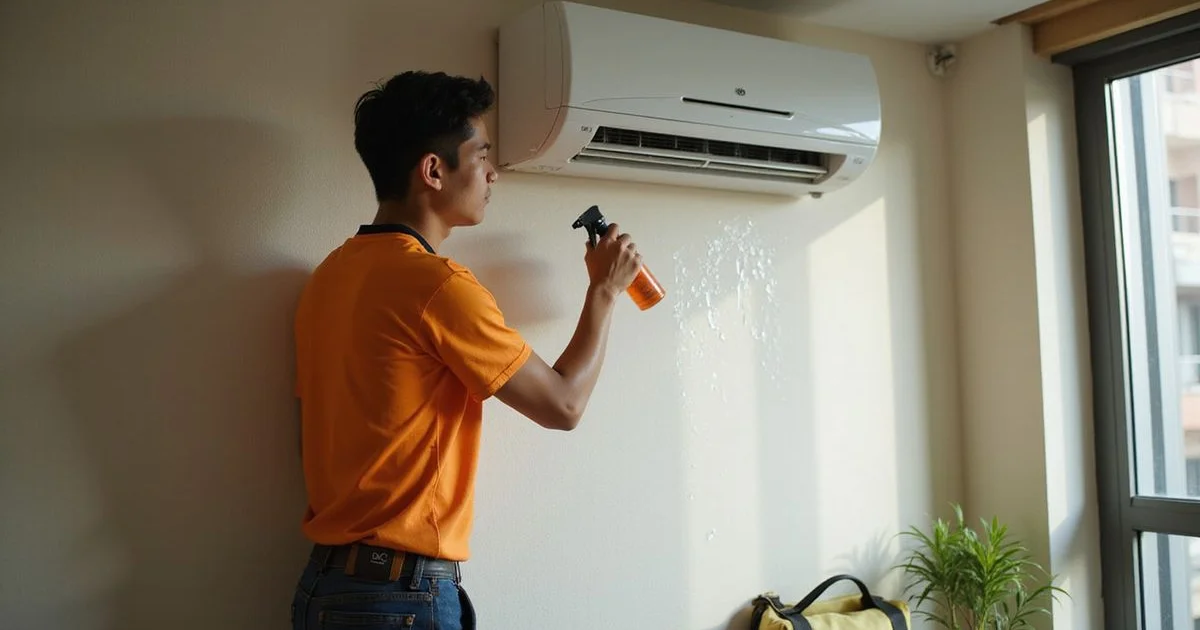
Spraying water directly into the indoor unit without protection. Water can reach electrical components and cause short circuits. If you attempt any cleaning beyond the filters, make sure the unit is powered off at the breaker.
Using harsh chemicals. Bleach, heavy-duty degreasers, or acid-based cleaners can corrode the aluminium coil fins and copper piping. Professional coil cleaners are specifically formulated to be safe for aircond components.
Reinstalling wet filters. Always let filters dry completely. Wet filters promote mould growth on the evaporator coil, which defeats the purpose of cleaning.
If you are in Petaling Jaya or the Klang Valley and it has been a while since your last professional aircond service, contact PJ Kool Aircond Service to schedule a chemical wash. We handle the deep cleaning that DIY cannot reach, so your aircond stays efficient and problem-free all year round.
Ready for a professional deep clean? Our aircond chemical wash service goes beyond filter cleaning — full dismantle, coil wash, drainage flush, and FREE gas top-up.