Water dripping from your aircond is one of the most alarming problems you can face as a homeowner. Not only does it create a mess on your floor and walls, but it can also damage furniture, electronics, and even lead to mould growth in your home. In Malaysia’s humid climate, aircond water leaks are extremely common, but they are almost always fixable once you understand the root cause.
Let us look at the five most common reasons your aircond is leaking water and what you can do about each one.
How Your Aircond Produces Water (It Is Normal)
Before we discuss the problems, it is important to understand that your aircond producing water is completely normal. When warm, humid air passes over the cold evaporator coil, moisture from the air condenses on the coil surface, just like water droplets forming on a cold glass of water. This condensate drips into a drain pan below the coil and flows out through a drainage pipe to the outside of your home.
In Malaysia, where humidity is typically 70 to 90 percent, a single 1.5 HP aircond can produce 1 to 3 litres of condensate water per hour. That is a lot of water that needs somewhere to go. When the drainage system cannot handle this water flow, leaks happen.
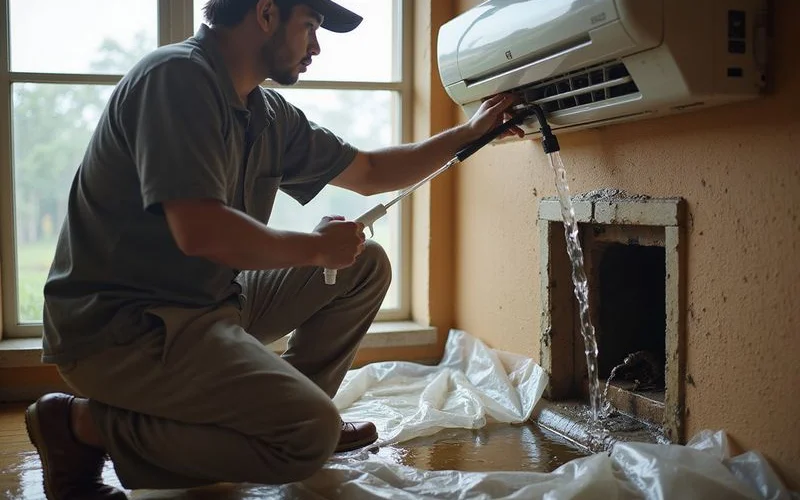
Cause 1: Clogged Drainage Pipe
This is the number one cause of aircond water leaks in Malaysia, responsible for roughly 60 percent of all leak-related service calls we handle.
The drainage pipe carries condensate water from the indoor unit to the outside of your home. Over time, this pipe accumulates:
- Algae and slime: The dark, moist environment inside the drain pipe is perfect for algae growth
- Dust and debris: Small particles wash off the evaporator coil and accumulate in the pipe
- Insect nests: Ants, cockroaches, and even geckos sometimes nest inside or block the drain pipe outlet
When the pipe becomes partially or fully blocked, water backs up in the drain pan and eventually overflows, dripping from the indoor unit.
DIY fix: Locate the drain pipe outlet (usually outside your home, near the outdoor unit) and try gently blowing into it or using a thin wire to clear the blockage. You can also pour a cup of white vinegar into the drain pan inside the unit to help dissolve algae buildup.
When to call a technician: If the blockage is deep inside the pipe or the pipe runs through the wall, professional equipment like a drain pump or pressurised air is needed to clear it properly.
Cause 2: Frozen Evaporator Coil
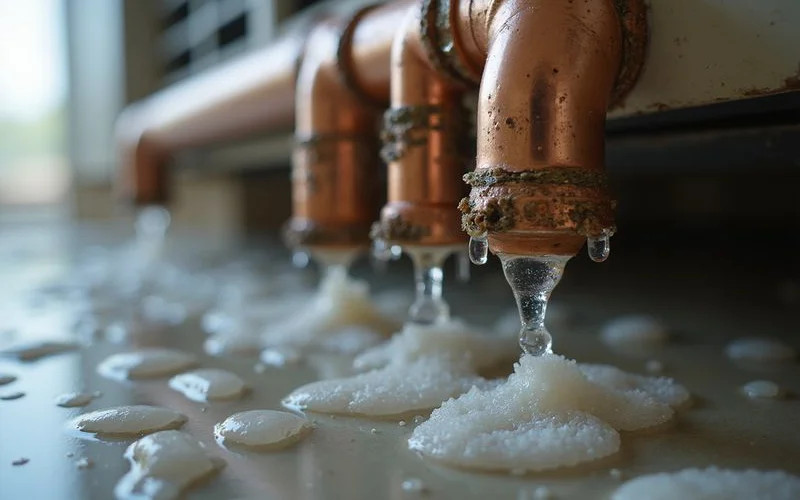
When the evaporator coil gets too cold, the condensate on its surface freezes into a layer of ice. This ice buildup blocks normal airflow and water drainage. When the unit shuts off or the compressor cycles, the ice melts rapidly, producing a large amount of water all at once that the drain pan cannot handle.
Common reasons for a frozen coil:
- Very dirty air filters restricting airflow
- Low refrigerant level causing the coil temperature to drop below freezing
- Running the aircond at extremely low temperatures (below 18 degrees Celsius) for extended periods
- A faulty blower fan not moving enough air across the coil
DIY fix: Turn off the aircond and let the ice melt completely (1 to 2 hours). Clean the air filters. Then turn it back on and set the temperature to 24-25 degrees Celsius. If the freezing does not recur, dirty filters were likely the cause.
When to call a technician: If the coil freezes again after cleaning the filters, you likely have a refrigerant leak or a faulty blower motor that needs professional attention.
Cause 3: Damaged or Misaligned Drain Pan
The drain pan sits directly below the evaporator coil and catches all the condensate water. Over time, the drain pan can develop problems:
- Cracks or holes: Especially in units over 5 years old, the plastic drain pan can develop hairline cracks
- Misalignment: If the unit was bumped or improperly reinstalled after servicing, the drain pan may not be level, causing water to spill over one side
- Corrosion: In some older units, metal drain pans can rust through
DIY fix: You can visually inspect the drain pan by removing the front panel and filters. Look for visible cracks, warping, or areas where water is not flowing toward the drain outlet.
When to call a technician: Drain pan replacement or realignment requires partial disassembly of the indoor unit and is best left to a professional. Replacement drain pans typically cost RM50 to RM150 depending on the brand and model.
Cause 4: Improper Installation
Installation problems are a frustratingly common cause of aircond leaks, especially in newer units. The issues typically involve:
- Incorrect tilt angle: The indoor unit must be tilted very slightly toward the drain side so water flows naturally into the drain pan outlet. If it is perfectly level or tilted the wrong way, water pools and eventually overflows.
- Drainage pipe slope: The drain pipe must have a continuous downward slope from the indoor unit to the outlet point. If any section of the pipe has an upward loop or a flat section, water will accumulate there.
- Pipe too long without proper support: Long drainage pipes that sag in the middle create low points where water collects.
- Connections not sealed: Joints in the drain pipe that are not properly glued or taped can leak.
DIY fix: Check whether the indoor unit appears level or slightly tilted. If it was recently installed and leaks started almost immediately, the installation is likely the problem.
When to call a technician: Installation corrections require remounting the indoor unit or rerouting the drainage pipe. Always call the original installer first, as this should be covered under their workmanship warranty.
Cause 5: Excessive Humidity or Condensation on the Unit Body
In extremely humid conditions, which are common during Malaysia’s monsoon season, condensation can form on the exterior surfaces of the indoor unit, including the housing, air outlet vanes, and even the connecting pipes. This condensation drips and creates the appearance of a leak even though the drainage system is working perfectly.
Signs this is the cause:
- Water drips from the front or sides of the unit, not from the bottom
- The dripping is worse on very humid days or when the door or windows are left open while the aircond is running
- The drainage pipe is flowing normally
DIY fix: Keep doors and windows closed while the aircond is running. Check that the insulation foam on the copper pipes is intact and not damaged, as exposed cold pipes will sweat heavily in humid conditions. You can also reduce the humidity by running the aircond in “dry” mode for 30 minutes before switching to cooling mode.
When to call a technician: If the insulation on the copper pipes is deteriorating or missing, a technician can replace it. Also, excessive condensation on the unit body can indicate that the unit is undersized for the space, causing it to work too hard and get excessively cold.
Quick Diagnosis Guide
| Symptom | Most Likely Cause | Urgency |
|---|---|---|
| Water drips from bottom centre | Clogged drain | Medium |
| Water drips from one side | Misaligned unit or pan | Medium |
| Large sudden water release | Frozen coil melting | High |
| Dripping from front vanes | Humidity / condensation | Low |
| Constant slow drip | Cracked drain pan | Medium |
| Leaking only when unit runs | Drainage blockage | Medium |
| Leaking after unit stops | Ice melting | High |
Preventing Water Leaks
The best approach to aircond water leaks is prevention. Here are practical steps that work well in the Malaysian climate:
- Schedule regular servicing every 3-4 months. A technician will flush the drainage system as part of standard cleaning.
- Clean your air filters every 2-4 weeks to prevent dust from washing into the drain system.
- Pour white vinegar into the drain pan once every 2-3 months to inhibit algae growth.
- Check the drain pipe outlet periodically to ensure nothing is blocking it from the outside.
- Keep the insulation intact on copper pipes running between the indoor and outdoor units.
- Do not set the temperature too low. Running your aircond at 16 degrees Celsius increases the risk of coil freezing, especially if filters are not perfectly clean.
The Cost of Ignoring a Leak
A small water leak might seem like a minor annoyance, but left unaddressed, it can lead to:
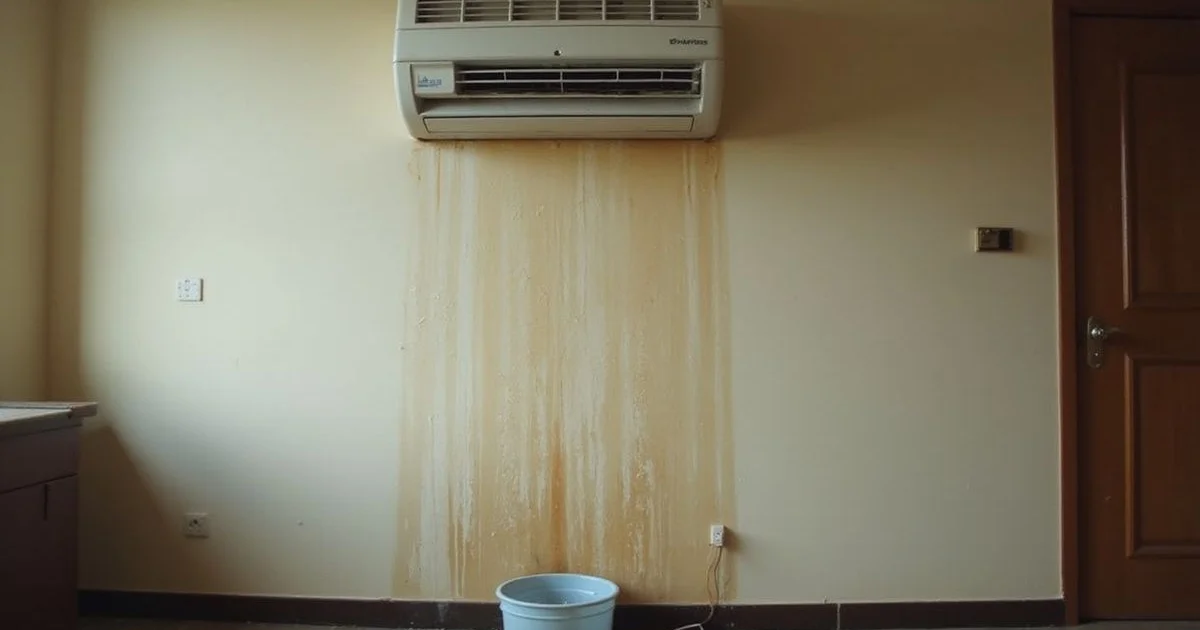
- Wall and ceiling damage: Water stains, peeling paint, and structural damage to drywall
- Mould growth: Persistent moisture promotes mould that can affect respiratory health
- Electrical hazards: Water dripping near electrical outlets or the aircond’s own wiring creates a shock risk
- Damaged furniture and electronics: Water dripping onto your bed, sofa, or computer is never good
Address water leaks promptly. Most drainage issues can be resolved quickly and affordably. At PJ Kool Aircond Service, we carry drain cleaning equipment on every service call because we know just how common this problem is in Petaling Jaya and the Klang Valley. A simple drain flush during your regular servicing appointment is the best way to prevent water leaks from ever happening.
Need a technician to diagnose your water leak? Our aircond repair service includes a full diagnostic check — and most drainage issues are resolved in the same visit.